
- 著者
- 青柳 周一
- 出版者
- 交通史学会
- 雑誌
- 交通史研究 (ISSN:09137300)
- 巻号頁・発行日
- no.61, pp.51-69, 2006-12-20
1 0 0 0 IR 近世九州地方における貨幣流通
- 著者
- 浦長瀬 隆
- 出版者
- 神戸大学経済経営学会
- 雑誌
- 国民経済雑誌 (ISSN:03873129)
- 巻号頁・発行日
- vol.183, no.2, pp.51-63, 2001-02
- 被引用文献数
- 1
1 0 0 0 近世長門国・周防国における貨幣流通
- 著者
- 浦長瀬 隆
- 出版者
- 神戸大学
- 雑誌
- 國民經濟雜誌 (ISSN:03873129)
- 巻号頁・発行日
- vol.186, no.5, pp.17-28, 2002-11
1 0 0 0 IR 17・18世紀東北地方における貨幣流通 (神木哲男 博士記念号)
- 著者
- 浦長瀬 隆
- 出版者
- 神戸大学経済経営学会
- 雑誌
- 国民経済雑誌 (ISSN:03873129)
- 巻号頁・発行日
- vol.179, no.3, pp.85-103, 1999-03
1 0 0 0 IR 近世安芸国・備後国における貨幣流通
- 著者
- 浦長瀬 隆
- 出版者
- 神戸大学経済経営学会
- 雑誌
- 国民経済雑誌 (ISSN:03873129)
- 巻号頁・発行日
- vol.190, no.3, pp.19-30, 2004-09
1 0 0 0 OA 近世関東地方における貨幣流通

- 著者
- 浦長瀬 隆
- 出版者
- 神戸大学
- 雑誌
- 神戸大學經濟學研究年報 (ISSN:02863340)
- 巻号頁・発行日
- vol.47, pp.1-24, 2001-03-05
The purpose of this paper is to examine the actual condition of the use of money in the Kanto (関東) district in the early modern times. The historical documents are the sale and delivery deeds of the land. We analyzed what kind of money was used in those deeds. As a result, we found that in this district the use of gold was dominant from the latter half of the 17th century to the 18th century , that copper coins and silver were used as small sums of money, and that new gold (正徳享保金) and Genbun gold (元文金) were diffused rapidly. We even found that the shortage of money was solved through the recoinage in the Genroku (元禄) period in the latter half of the 17th century.
1 0 0 0 OA 近世における雪と交通 : 越後の街道を手掛りに

- 著者
- 桑原 孝
- 出版者
- 交通史学会
- 雑誌
- 交通史研究 (ISSN:09137300)
- 巻号頁・発行日
- no.37, pp.1-21, 1996-08-24
1 0 0 0 OA "日本剣道KENDOと韓国剣道KUMDOの相克 未来志向の剣道文化を求めてー "
- 著者
- 小田 佳子
- 巻号頁・発行日
- (Released:2015-12-17)
- 著者
- 堀江 聡
- 出版者
- 東洋哲学研究所
- 雑誌
- 東洋学術研究 (ISSN:02876086)
- 巻号頁・発行日
- vol.53, no.2, pp.52-74, 2014
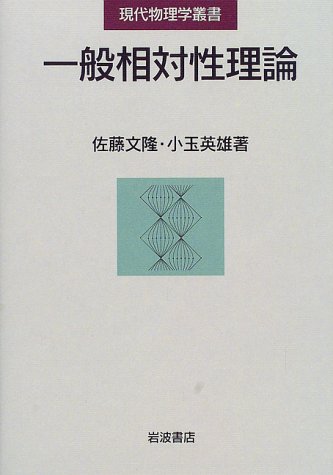
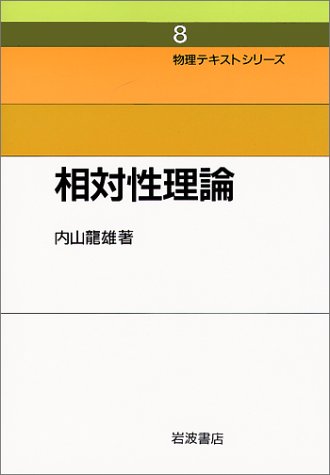
1 0 0 0 一般相対性理論
- 著者
- 佐藤文隆 小玉英雄著
- 出版者
- 岩波書店
- 巻号頁・発行日
- 2000
1 0 0 0 一般相対性理論
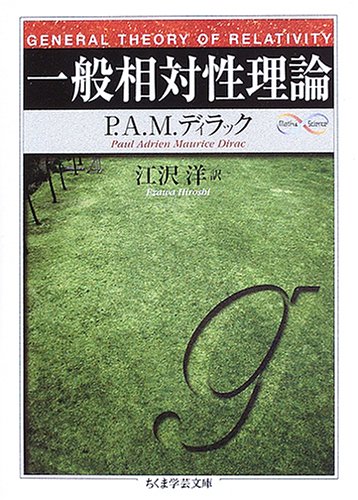
- 著者
- P.A.M.ディラック著 江沢洋訳
- 出版者
- 筑摩書房
- 巻号頁・発行日
- 2005
1 0 0 0 General relativity

- 著者
- Robert M. Wald
- 出版者
- University of Chicago Press
- 巻号頁・発行日
- 1984
1 0 0 0 モンテネグロにおける独立問題と民族アイデンティティ
- 著者
- 久保 慶一
- 出版者
- The Japanese Association for Russian and East European Studies
- 雑誌
- ロシア・東欧研究 (ISSN:13486497)
- 巻号頁・発行日
- no.33, pp.69-79, 2004
In Montenegro, there has been a deep divide between those who seek the independence of Montenegro and those who oppose it and seek the maintenance of the Yugoslav federation or the union with Serbia. It is well known that there is a correlation between the ethnic identity and the attitude towards this issue, particularly among ethnic minorities such as Albanians, Muslims (Bosnjaks) and Serbs. While one tends to assume that the ethnic identity is an independent variable that affects the behaviour towards the issue of statehood, I would argue that this assumption does not hold for Serbs. To do so, I firstly examine the correlation between the ethnic identity and the behaviour towards the issue of statehood. Secondly, by examining the census data of 1991 and 2003 in Montenegro, I point out that there seems to have been a significant scale of re-definition of the ethnic identity. In particular, a significant number of those who now regard themselves as "Serb" did not indeed do so only 12 years ago. This suggests that the assumption discussed above is wrong and the causal relations run in the opposite direction: they re-defined themselves as "Serb" because they support the maintenance of the union with Serbia. Thirdly, I briefly examine some factors that might possibly have affected the decisions made by those who regarded themselves as "Montenegrins" in 1991 to support or oppose the independence of Montenegro.
1 0 0 0 OA 2014年度日本基礎心理学会第2回フォーラム顔研究の諸相

- 著者
- 遠藤 光男
- 出版者
- 日本基礎心理学会
- 雑誌
- 基礎心理学研究 (ISSN:02877651)
- 巻号頁・発行日
- vol.34, no.1, pp.155-155, 2015-09-30 (Released:2015-12-26)
- 参考文献数
- 2