- 著者
- 松原 仁 Hitoshi Matsubara
- 雑誌
- 人工知能 = journal of the Japanese Society for Artificial Intelligence (ISSN:21882266)
- 巻号頁・発行日
- vol.30, no.6, pp.758, 2015-11-01
1 0 0 0 OA 現代表象文化論(1)『ハリー・ポッター』の秘密の部屋 : オタク文化とハーマイオニの受容
- 著者
- 森 有礼 Arinori Mori
- 雑誌
- 国際英語学部紀要 = Journal of College of World Englishes (ISSN:13480162)
- 巻号頁・発行日
- vol.4, pp.1-24, 2004-03-31
1 0 0 0 OA LIC法を用いた鉛筆画及び鉛筆画風動画の生成法
- 著者
- 畠 康高
- 出版者
- University of Yamanashi (山梨大学)
- 巻号頁・発行日
- 2015-03-18
1 0 0 0 OA 購買前の情報探索行動が購買後の消費者満足度に及ぼす影響 : 解釈レベル理論に基づく検討
- 著者
- 外川 拓 トガワ タク Taku TOGAWA
- 雑誌
- 千葉商大論叢
- 巻号頁・発行日
- vol.52, no.2, pp.141-156, 2015-03
1 0 0 0 OA 「論理学」による自殺の諌止――デューイの論理思想から――
- 著者
- 麻生 享志
- 出版者
- 国士舘大学哲学会
- 雑誌
- 国士舘哲学 (ISSN:13432389)
- 巻号頁・発行日
- vol.7, 2003-03
1 0 0 0 OA 「日本的キリスト教」批判
- 著者
- 笠原 芳光 Yoshimitsu Kasahara
- 出版者
- 同志社大学人文科学研究所キリスト教社会問題研究会
- 雑誌
- キリスト教社会問題研究 = The Study of Christianity and Social Problems (ISSN:04503139)
- 巻号頁・発行日
- no.22, pp.114-139, 1974-03-15
論説
1 0 0 0 OA 日本で唱えられる光明眞言 : ワザハヒのない国へタマを送る呪文
- 著者
- 小林 信彦 Nobuhiko KOBAYASHI
- 雑誌
- 桃山学院大学人間科学 = HUMAN SCIENCES REVIEW, St. Andrew's University (ISSN:09170227)
- 巻号頁・発行日
- no.21, pp.25-48, 2001-07-10
As the personification of the ultimate truth, Mahavairocana (the Great Sun) cannot be perceived. He is symbolized by gestures, sounds and geometric figures. Buddhist tantrism is the system of attaining buddhahood by using these symbols. The Japanese, however, are not interested in becoming buddhas. They only try to remove troubles in this world, and wish to go to a paradise called "gokuraku" after death. It is for this purpose that they chant the komyo-shingon addressed to Dainichi-nyorai, the Japanese version of Mahavairocana.
1 0 0 0 OA 大麻文化科学考(その3)
- 著者
- 山本 郁男
- 出版者
- 北陸大学
- 雑誌
- 北陸大学紀要 = Bulletin of Hokuriku University (ISSN:0387074X)
- 巻号頁・発行日
- vol.16, pp.1-20, 1992-12-31
1 0 0 0 日本妖怪学大全
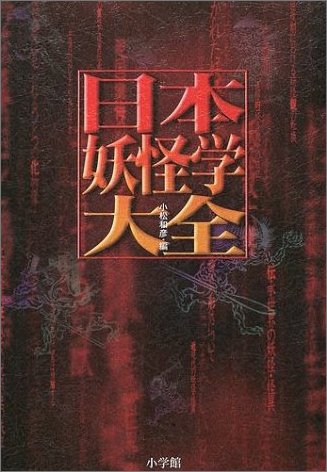
- 出版者
- 小学館
- 巻号頁・発行日
- 2003
妖怪と妖怪研究 : 序論に代えて / 小松 和彦 I 描かれた妖怪 遊びの中の妖怪たち : 近世後期における妖怪観の転換 / 香川 雅信 妖怪浄土双六考 / 岩城 紀子 予言する幻獣 : アマビコを中心に / 湯本 豪一 清朝末期の画報に見える日本の怪物報道 / 武田 雅哉 「創作」としての妖怪 : 馬琴作『化競丑満鐘』の笑い / アダム・カバット 近世文化における轆轤首の形状について / 横山 泰子 幽霊・妖怪の図像学 / 諏訪 春雄 Ⅱ 語られた怪異 怨みを背負った旅人たち : 廻国・懺悔の怪異空間 / 堤 邦彦 『渓嵐拾葉集』に於ける「怪異」の諸相 : 怪異を記述すること / 田中 貴子 怪談情話論 : 『壺菫』と『怪談奇縁』 / 大高 洋司 江戸怪談狂言、その祝祭性をめぐって : 小平次とお岩の禁忌を考える / 高田 衛 怪談噺の誕生 / 石井 明 三遊亭円朝の怪談に隠された“王権と幽霊”の物語 : 「怪談乳房榎」と「怪談牡丹灯籠」 / 内藤 正敏 Ⅲ 伝承世界の妖怪・怪異 猿鬼退治伝説考 : 能登半島・柳田村当目の伝承をめぐって / 小松 和彦 二股の霊性と怪異伝承 / 常光 徹 俗信における怪異について : 真ん中で不思議が起きる / 板橋 作美 「胎児分離」埋葬の習俗と出産をめぐる怪異のフォークロア : その生成と消滅に関する考察 / 安井 眞奈美 鳴弦蟇目と鵼退治 : 俗信の生成過程 / 山田 奨治 IV 近現代の妖怪・怪異 通俗的「妖怪」概念の成立に関する一考察 / 京極 夏彦 1920年代、〈心霊〉は増殖する / 一柳 廣孝 魔都をめぐって / 鈴木 貞美 化物屋敷再考 / 橋爪 紳也 「私、きれい?」 : 女性週刊誌に見られる「口裂け女」 / マイケル・フォスター あとがき / 小松 和彦 編者略歴・執筆者一覧
1 0 0 0 OA 「考古学」から社会学へ : enonceをめぐる横断的考察
- 著者
- 小林 修一 コバヤシ シュウイチ Syuuichi KOBAYASHI
- 出版者
- 東洋大学社会学部
- 雑誌
- 東洋大学社会学部紀要 = The Bulletin of Faculty of Sociology,Toyo University (ISSN:04959892)
- 巻号頁・発行日
- vol.43, no.1, pp.39-59, 2005-12
1 0 0 0 OA 恩人前嶋孝教授を想う。「私の座標軸」
- 著者
- 松浪 健四郎
- 出版者
- 専修大学社会体育研究所
- 雑誌
- 専修大学社会体育研究所報 = Annual Report (ISSN:02884135)
- 巻号頁・発行日
- vol.59, pp.3-4, 2012-03-31
1 0 0 0 OA TRONプロジェクトの15年:TRON仕様チップ
1 0 0 0 OA 唐代禅の思想展開 : 空に回帰する黄檗の禅から既に空なる臨済の禅へ
- 著者
- 小川 太龍
- 出版者
- 禪學研究會
- 雑誌
- 禪學研究 = Studies in Zen Buddhism (ISSN:03878074)
- 巻号頁・発行日
- vol.96, pp.1-31, 2018-03-05
- 著者
- 中野 さやか
- 出版者
- 東洋文庫
- 雑誌
- 東洋学報 = The Toyo Gakuho (ISSN:03869067)
- 巻号頁・発行日
- vol.85, no.3, pp.415-422, 2003-12
1 0 0 0 OA 十二世紀末高麗の「李義旼政権」に関する再検討
- 著者
- 中野 耕太 nakano
- 出版者
- 島根県立大学北東アジア地域研究センター
- 雑誌
- 北東アジア研究 = Shimane journal of North East Asian research : North East Asian region (ISSN:13463810)
- 巻号頁・発行日
- vol.32, pp.19-37, 2021-03-31
The purpose of this study is to consider whether "the regime of Yi Ui-min" really existed or not in the late 12th century Korea (Goryeo). Yi Ui-min was a military general who was born as a slave in Gyeongju. It is commonly accepted that he ruled the Goryeo government as the 4th leader of the "Goryeo military regime" from 1184 to 1196, when Choe Chung-heon assassinated him. It is difficult, however, to prove the existence of "the regime of Yi Ui-min" due to a lack of historical materials.This study examined the following three points to reconsider the theory of "the regime of Yi Uimin." Firstly, it examined how previous studies evaluated the regime. Through this examination, we found that previous studies had already pointed out the weakness of "the regime of Yi Uimin." Secondly, it critically discussed the theoretical grounds that support the regime’s existence. As a result, it was found that there are no historical records to support the claim directly. Thirdly, it analyzed the historical records that are inconsistent with the theory. The results revealed that Du Gyeong-seung was as powerful as Yi Ui-min, and that Yi Ui-min couldn’t overwhelm him till the end.The conclusion of this study is as follows; From 1184 to 1190 Yi Ui-min was not a prominent leader in the Goryeo government. From 1190 to 1196 there were two leaders, Yi Ui-min and Du Gyeong-seung in the Goryeo government. The common theory of "the regime of Yi Ui-min" says that Yi Ui-min ruled the Goryeo government then as a dictator, although he was less powerful than other military leaders. But the theory of "the dyarchy of Yi Ui-min and Du Gyeong-seung" is closer to the actual situation than that of "the regime of Yi Ui-min." The next paper will explore the relationship between these two leaders.
1 0 0 0 OA 高麗時代の「叛逆伝」研究Ⅲ ―立伝人物の分析―
- 著者
- 西川 孝雄
- 出版者
- 愛知学院大学人間文化研究所
- 雑誌
- 人間文化 : 愛知学院大学人間文化研究所紀要 = Transactions of the Institute for Cultural Studies, Aichi Gakuin University NINGEN BUNKA (ISSN:09108424)
- 巻号頁・発行日
- no.22, pp.342-315, 2007-09-20
1 0 0 0 OA あんな本・こんな本 : ボランティアによる新着案内・資料案内 No.85
- 著者
- 国立女性教育会館情報ボランティア
- 巻号頁・発行日
- 2021-10-28
1 0 0 0 OA ドン・ジュアンと誘惑の美学
- 著者
- 伊藤 秀一
- 出版者
- 中央大学ドイツ学会
- 雑誌
- ドイツ文化 (ISSN:02867729)
- 巻号頁・発行日
- vol.72, pp.31-69, 2017-03-15
1 0 0 0 OA [研究論文]『グリッドシステム』の歴史認識と方法論の成立背景について
- 著者
- 古賀 稔章
- 出版者
- 多摩美術大学
- 雑誌
- 多摩美術大学研究紀要 = Tama Art University Bulletin 2020 (ISSN:02886421)
- 巻号頁・発行日
- no.35, pp.125-137, 2021-03-31
1 0 0 0 OA パリ万博「音楽展」における「オルフェオン」
- 著者
- 井上 さつき
- 出版者
- 愛知県立芸術大学
- 雑誌
- 愛知県立芸術大学紀要 = The Bulletin of the Aichi Prefectural University of Fine Arts and Music (ISSN:03898369)
- 巻号頁・発行日
- no.37, pp.1-19, 2007