1 0 0 0 OA 資源としてのイノシシ
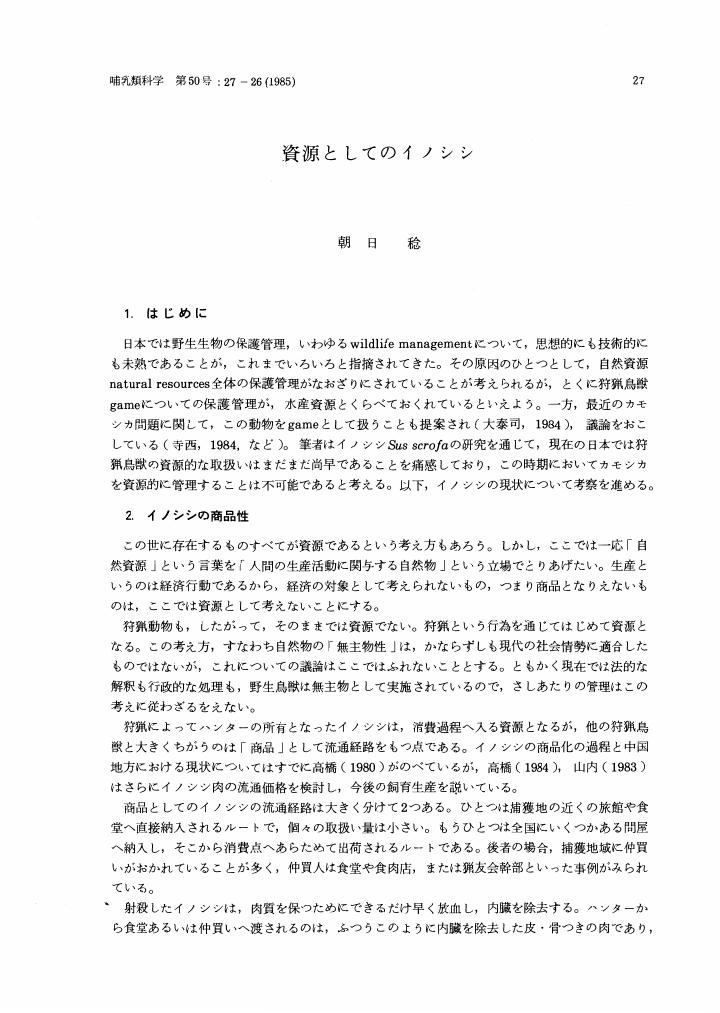
- 著者
- 朝日 稔
- 出版者
- 日本哺乳類学会
- 雑誌
- 哺乳類科学 (ISSN:0385437X)
- 巻号頁・発行日
- vol.25, no.1, pp.1_27-30, 1985 (Released:2008-10-01)
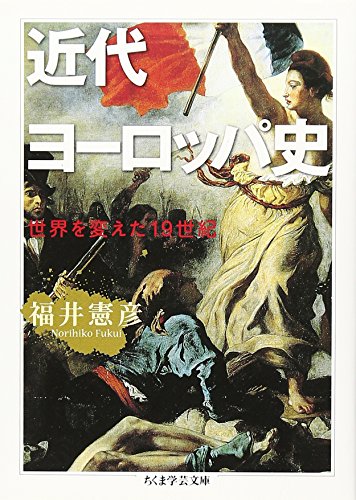
1 0 0 0 近代ヨーロッパ史 : 世界を変えた19世紀
1 0 0 0 「たえず書く人」辻邦生と暮らして

1 0 0 0 OA インド密教における聖地と巡礼
- 著者
- 森 雅秀
- 出版者
- 東京大学東洋文化研究所
- 雑誌
- 東洋文化研究所紀要 (ISSN:5638089)
- 巻号頁・発行日
- vol.146, pp.176-151, 2004-12
This article investigates into the sacred sites and the pilgrimage, which include both existent and fictitious ones, belonging to the Tantric Buddhist period (ca. 6-13 century) in India. One of the most famous and significant listings of the sacred sites should be the “twenty-four pithas” elaborated in the Buddhist canons of Mother Tantra class. “Pitha” means the sacred site where the tantric practitioners visit, and it is a common term found in both the Hindu and the Buddhist texts. It is noteworthy that the order of the pithas in the different Buddhist texts do not accord with each other, although they shares the same sites. It is also important that the similar list can be found in the Hindu Tantric texts, and, through careful comparison, the Buddhist's copying can be proved. These facts lead to the conjecture that the “twenty-four pithas” are not necessarily the existent sacred sites and that their pilgrimage is not real. Some Buddhist canons recommend the pilgrimage of the eight sites that are connected with the eight great events of Sakyamuni, such as his birth, enlightenment, first sermon and nirvana. The scenes of these legends are widely represented in the reliefs of the Gupta and the Pala periods. However, most of these eight great sites had already become devastated by the time of Tantric Buddhism and had lost their positions of pilgrimage sites, according to the records of Chinese pilgrim monks, such as Xuanzang. In the period of Tantric Buddhism, Bodhgaya is one of the limited sites where the pilgrims could actually visit. A Tibetan monk, Dharma-svamin is reported to visit this traditional Buddhist site in the first half of the thirteenth century. His biography shows that the pilgrims worshipped the miraculous statues and the famous relics there. The inscriptions found in Bodhgaya indicate that the pilgirms, who came from various areas of India including Sri Lanka, Kashmir, Konkana etc., donated a sculpture or facility to the monastery depending on their financial possibility to accumulate the merits. These activities are not particular to Tantric Buddhism, but common to non-Tantric Buddhism.
1 0 0 0 IR 破綻し、そして新たにされたイエスのイメージ世界 ――大貫隆氏のイエス解釈への導入――
- 著者
- 青野 太潮 Tashio AONO
- 出版者
- 西南学院大学学術研究所
- 雑誌
- 神学論集 (ISSN:03874109)
- 巻号頁・発行日
- vol.69, no.1, pp.189-235, 2012-03
- 著者
- 中村 敏
- 出版者
- 日本観光研究学会
- 雑誌
- 日本観光研究学会全国大会学術論文集
- 巻号頁・発行日
- vol.26, pp.241-244, 2011-12
1 0 0 0 OA ネガティブな夢がうつ状態と日常生活機能に及ぼす影響について

- 著者
- 谷島 郁子 大澤 香織
- 出版者
- 日本感情心理学会
- 雑誌
- 感情心理学研究 (ISSN:18828817)
- 巻号頁・発行日
- vol.17, no.3, pp.241-241, 2010-03-25 (Released:2011-02-20)
1 0 0 0 OA A58 非営巣性アリジゴク,コマダラウスバカゲロウ幼虫の捕食生態(生態)

- 著者
- 森 豊彦
- 出版者
- 日本応用動物昆虫学会
- 雑誌
- 日本応用動物昆虫学会大会講演要旨
- 巻号頁・発行日
- no.28, 1984-04-01
1 0 0 0 OA <論文>中部地区の産業史(その2)

- 著者
- 安保 邦彦
- 出版者
- 愛知東邦大学
- 雑誌
- 東邦学誌 (ISSN:02874067)
- 巻号頁・発行日
- vol.32, no.1, pp.1-18, 2003-06-30
1 0 0 0 OA Lambert-Eaton筋無力症候群および傍腫瘍性小脳変性症を合併した小細胞肺癌の1例
- 著者
- 舟口 祝彦 澤 祥幸 石黒 崇 吉田 勉 大野 康 藤原 久義
- 出版者
- 特定非営利活動法人 日本肺癌学会
- 雑誌
- 肺癌 (ISSN:03869628)
- 巻号頁・発行日
- vol.45, no.1, pp.37-40, 2005 (Released:2006-05-12)
- 参考文献数
- 12
- 被引用文献数
- 1 1
背景. 傍腫瘍性神経症候群は癌に随伴する自己免疫学的機序にて発症することが判明しており, 小細胞肺癌はその原因の主たるものの一つである. 今回, 我々はLambert-Eaton筋無力症候群 (LEMS) および傍腫瘍性小脳変性症 (PCD) を合併した小細胞肺癌の1例を経験したので報告する. 症例. 62歳男性. 起立・歩行障害を認め入院. 精査の結果, LEMSおよびPCDを合併した小細胞肺癌と診断した. 全身化学療法 (CBDCA+VP-16) 4コースと同時胸部放射線療法計45 Gyを施行し, complete response (CR) を得た. 筋症状は改善し歩行可能となったが, 小脳症状は残存した. 結論. 小細胞肺癌に対する化学療法および放射線療法によりLEMSは著明に改善したが, PCDは改善を認めなかった.
1 0 0 0 <寄稿>情念と身体 : 17世紀西欧の記号空間
- 著者
- 遠藤 知巳
- 出版者
- 関西学院大学
- 雑誌
- 関西学院大学社会学部紀要 (ISSN:04529456)
- 巻号頁・発行日
- vol.84, pp.27-37, 2000-02
1 0 0 0 『古今著聞集』巻第五「和歌第六」を読む(4)
- 著者
- 谷 知子 / 久利 若糸 / 佐藤 洋美 / 渡邉 静
- 出版者
- フェリス女学院大学
- 雑誌
- フェリス女学院大学文学部紀要 (ISSN:09165959)
- 巻号頁・発行日
- vol.50, pp.A131-A167, 2015-03
1 0 0 0 日本基礎心理学会創設時を振り返る
- 著者
- 大山 正 鳥居 修晃 佐藤 隆夫 高砂 美樹
- 出版者
- The Japanese Psychonomic Society
- 雑誌
- 基礎心理学研究 (ISSN:02877651)
- 巻号頁・発行日
- vol.33, no.2, pp.152-161, 2015

- 著者
- 大屋 定晴 OYA Sadaharu
- 出版者
- 北海学園大学経済学会
- 雑誌
- 北海学園大学経済論集 (ISSN:03857263)
- 巻号頁・発行日
- vol.63, no.2, pp.43-65, 2015-09
1 0 0 0 大法輪アーカイブス 『論語』心講(上)昭和三十二年十一月号より
1 0 0 0 OA 官報
- 著者
- 大蔵省印刷局 [編]
- 出版者
- 日本マイクロ写真
- 巻号頁・発行日
- vol.1951年10月29日, 1951-10-29
1 0 0 0 OA 官報
- 著者
- 大蔵省印刷局 [編]
- 出版者
- 日本マイクロ写真
- 巻号頁・発行日
- vol.1947年12月05日, 1947-12-05
1 0 0 0 OA 官報
- 著者
- 大蔵省印刷局 [編]
- 出版者
- 日本マイクロ写真
- 巻号頁・発行日
- vol.1908年03月05日, 1908-03-05