1 0 0 0 OA 海洋プラスチック汚染とその対策

- 著者
- 高田 秀重
- 出版者
- 公益財団法人 日本学術協力財団
- 雑誌
- 学術の動向 (ISSN:13423363)
- 巻号頁・発行日
- vol.24, no.10, pp.10_44-10_48, 2019-10-01 (Released:2020-02-28)
- 参考文献数
- 26
1 0 0 0 OA 我が国が直面する環境リスクとその管理

- 著者
- 續 輝久 浅見 真理 渡辺 知保 那須 民江
- 出版者
- 公益財団法人 日本学術協力財団
- 雑誌
- 学術の動向 (ISSN:13423363)
- 巻号頁・発行日
- vol.24, no.10, pp.10_53-10_55, 2019-10-01 (Released:2020-02-28)
1 0 0 0 OA 伊豆諸島の聚落型

- 著者
- 山口 貞夫
- 出版者
- The Association of Japanese Geographers
- 雑誌
- 地理学評論 (ISSN:00167444)
- 巻号頁・発行日
- vol.11, no.12, pp.981-1009, 1935-12-01 (Released:2008-12-24)
- 参考文献数
- 55
1 0 0 0 親切・感謝 : 優しさ、思いやり
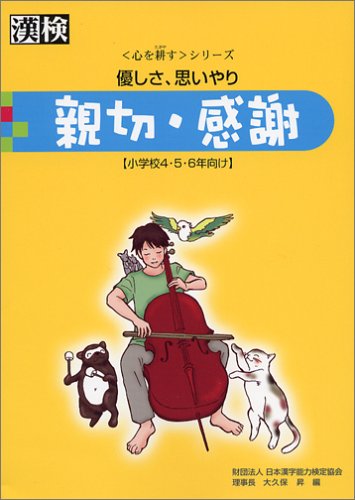
- 著者
- 大久保昇編著
- 出版者
- 日本漢字能力検定協会
- 巻号頁・発行日
- 2005
1 0 0 0 ウンカ食害による台湾鳥龍茶の香気生成向上の分子基盤
- 著者
- 坂田 完三 CHO Jeong-Yong CHO Jeong-Young
- 出版者
- 京都大学
- 雑誌
- 特別研究員奨励費
- 巻号頁・発行日
- 2004
台湾烏龍茶(東方美人)は、他の烏龍茶と異なりウンカに吸汁されたチャ葉を摘採して作られ、独特な香気を生み出す。こでまでに東方美人茶の独特な香気成分として2,6-dimethylocta-3,7-diene-2,6-diol(diol)とhotrienolが検出された。本研究では、東方美人茶の原料であるウンカ加害チャ葉でdiolとhotrienolの生合成に関与する酵素遺伝子を明らかにすることを目指した。ウンカ加害チャ葉でモノテルペン酸化酵素活性を有するシトクロムP450がlinaloolを酸化してdiolやhotrienolを生成すると考えられ、様々なP450遺伝子の探索を行った。昨年度、烏龍茶製造工程中のチャ葉についてdifferential screening分析の結果から得られた P450ホモログ(TOBA)はモノテルペン水酸化に関与するP450と比較的高い相同性を示し、diol及びhotrienolの生合成に関与する可能性が高いと考えられた。そこで、ウンカ加害チャ葉で3_-RACEおよび5_-RACEを行い、TOBAの全長cDNAを単離した。RT-PCRによりウンカ無加害チャ葉に比べてウンカ加害チャ葉でTOBAの転写量は増加していた。一方、他の植物でモノテルペン水酸化に関与することが知られているP450遺伝子から作成したプライマーを用いて、RT-PCRに行い、ウンカ加害新鮮チャ葉からTOBAと異なる8種のP450ホモログ遺伝子を見出した。これらのP450ホモログについてRT-PCRを行った結果、3種のP450(候補P450)の発現が無加害チャ葉に比べてウンカ加害チャ葉で増加していた。また、見出した8種のうち3種の候補P450はモノテルペン水酸化に関与するP450と比較的高い相同性を示し、diolおよびhotrienolの生合成に関与する可能性が高いと考えられた。現在、候補P450遺伝子の全長cDNAを取得するため、ウンカ加害チャ葉を用いて、cDNA libraryを構築し、候補P450の全長cDNAの単離を行っている。さらに、TOBAと候補P450遺伝子を昆虫細胞あるいは大腸菌を用いて大量発現し、得られた酵素のlinaloolに対する酸化反応を検討する。
- 著者
- Mohamed B. MOSTAFA Yahya M. ELEMMAWY
- 出版者
- Japanese Society of Equine Science
- 雑誌
- Journal of Equine Science (ISSN:13403516)
- 巻号頁・発行日
- vol.31, no.2, pp.23-27, 2020 (Released:2020-06-24)
- 参考文献数
- 28
- 被引用文献数
- 6
There is limited knowledge about causes of musculoskeletal injury in jumping Thoroughbred horses. The objective of this study was to describe the relationships between musculoskeletal disorders and linear and angular limb measurements acquired from photographs of horses with markers at specific reference points. The diagnosed musculoskeletal disorders in either fore or hind limbs were flexor tendonitis, suspensory ligaments desmitis, and osteoarthritis of the distal intertarsal and tarso-metatarsal and carpometacarpal joints. Lengths and angles in 17 clinically normal jumping Thoroughbred horses and 34 horses with musculoskeletal problems were measured. Horses with musculoskeletal disorders had significantly shorter neck, shoulder, and pelvis lengths (P<0.05), significantly longer arm and forearm front lengths (P<0.05), and significantly lower front shoulder, elbow, and hind fetlock joint angles (P<0.05). In conclusion, this study describes significant relationships between linear and angular morphometric measurements and musculoskeletal disorders in jumping Thoroughbred horses. These data could possibly provide indicators for better selection of jumpers with less risk of developing orthopedic disorders.
1 0 0 0 マクロライト抗生物質の生合成 II
- 著者
- 大村 智 竹嶋 秀雄
- 出版者
- 公益社団法人 日本農芸化学会
- 雑誌
- 化学と生物 (ISSN:0453073X)
- 巻号頁・発行日
- vol.15, no.6, pp.381-386, 1977
1 0 0 0 脂肪酸生合成阻害抗生物質セルレニンと脂質代謝
- 著者
- 大村 智 粟谷 寿一
- 出版者
- 公益社団法人 日本油化学会
- 雑誌
- 油化学 (ISSN:0513398X)
- 巻号頁・発行日
- vol.28, no.2, pp.75-80, 1979
1 0 0 0 抗生物質セルレニンの脂質代謝阻害作用
- 著者
- 大村 智
- 出版者
- 公益社団法人 日本農芸化学会
- 雑誌
- 化学と生物 (ISSN:0453073X)
- 巻号頁・発行日
- vol.12, no.11, pp.787-794, 1974
- 被引用文献数
- 1
1 0 0 0 マクロライド抗生物質の生合成 III
- 著者
- 大村 智 竹嶋 秀雄
- 出版者
- 公益社団法人 日本農芸化学会
- 雑誌
- 化学と生物 (ISSN:0453073X)
- 巻号頁・発行日
- vol.15, no.7, pp.447-453, 1977
- 被引用文献数
- 1
1 0 0 0 マクロライド抗生物質の生合成 I
- 著者
- 大村 智 竹嶋 秀雄
- 出版者
- 公益社団法人 日本農芸化学会
- 雑誌
- 化学と生物 (ISSN:0453073X)
- 巻号頁・発行日
- vol.15, no.5, pp.309-315, 1977
- 被引用文献数
- 1
- 著者
- 大村 智
- 出版者
- 公益社団法人 日本農芸化学会
- 雑誌
- 化学と生物 (ISSN:0453073X)
- 巻号頁・発行日
- vol.8, no.3, pp.139-150, 1970
- 著者
- 大村 智 大岩 留意子
- 出版者
- 学会出版センタ-
- 雑誌
- 化学と生物 (ISSN:0453073X)
- 巻号頁・発行日
- vol.20, no.1, pp.p10-12, 1982-01
1 0 0 0 脂肪酸生合成阻害剤セルレニンの作用とその応用
- 著者
- 大村 智 供田 洋
- 出版者
- 公益社団法人 日本油化学会
- 雑誌
- 油化学 (ISSN:0513398X)
- 巻号頁・発行日
- vol.34, no.1, pp.2-9, 1985
1 0 0 0 抗ウイルス抗生物質スクリーニングの展望
- 著者
- 岩井 譲 志水 秀樹 大村 智
- 出版者
- 公益社団法人 日本農芸化学会
- 雑誌
- 化学と生物 (ISSN:0453073X)
- 巻号頁・発行日
- vol.23, no.6, pp.379-385, 1985
- 被引用文献数
- 1
1 0 0 0 マクロライドをはじめとする各種抗生物質に関する研究
- 著者
- 大村 智
- 出版者
- 公益社団法人 日本薬学会
- 雑誌
- 藥學雜誌 (ISSN:00316903)
- 巻号頁・発行日
- vol.106, no.9, pp.729-757, 1986
- 被引用文献数
- 2
After structure elucidation of 16-membered macrolide antibiotic leucomycin, the structures of spiramycin, tylosin, megalomicin, irumamycin and virustomycin were determined by chemical degradation and nuclear magnetic resonance (NMR) spectroscopy. The studies on the chemical modification and structure activity correlation of macrolides led to the elaboration of clinically useful new derivatives.<BR>The biosynthetic origin of the carbon skeletone of macrolide aglycone was investigated by means of <SUP>13</SUP>C NMR and the feeding experiments of <SUP>13</SUP>C labeled precursors. We found that an antifungal antibiotic cerulenin is a specific inhibitor of fatty acid and “polyketide” biosyntheses, and applied the antibiotic to the biosynthetic studies of macrolides after formation of the lactone ring and to the production of a new “hybrid” macrolide, chimeramycin. Furthermore, a strain which produces a new “hybrid” antibiotic mederrhodin was breaded from actinorhodin and medermycin producers by gene manipulation.<BR>Sixty five or more new antibiotics have been discovered from secondary microbial metabolites using newly devised screening systems. Azureomycins and izupeptins were found as bacterial cell wall biosynthesis inhibitors. In combination with the above screening, several new antibiotics, nanaomycins, frenolicin B, cervinomycins, asukamycin and so on were discovered as antimycoplasmal substances. Diazaquinomycins as antifolate substance, hitachimycin and avermectin as anthelmintics, herbimycin, phosalacine and oxetin as herbicids have been found by the corresponding each screening system. The structure elucidation, biosynthesis and mode of action of these antibiotics have been studied. Among of them, nanaomycin A and avermectin (or ivermectin) have been employed as antifungal and antiparasitic therapeutics, respectively, for veterinary use.
- 著者
- 高橋 宣治 内田 健一 中川 彰 松崎 桂一 大村 智 中村 朝朗 三宅 洋子 武 佳和 甲斐荘 正恒
- 出版者
- 天然有機化合物討論会実行委員会
- 雑誌
- 天然有機化合物討論会講演要旨集
- 巻号頁・発行日
- vol.35, pp.762-768, 1993
The biosynthesis of lactacystin, a new microbial metabolite which induces differentiation of neuroblastoma cells, was studied by ^<13>C NMR spectroscopy using various ^<13>C labeled precursors. The feeding experiment of L-[2-^<13>C ] leucine showed a strong enrichement at C-5 of Lactacystin. Incorporation of [1-^<13>C] isobutyrate labeled C-1, C-4, C-8, and C-14. These ^<13>C labeling patterns indicate that lactacystin consists of three biosynthetic units, namely isobutyrate (or L-valine), L-leucine, and L-cysteine. The C_<10> unit containing γ-lactam moiety arises by a condensation between methylmalonate semialdehyde and C-5 of the C_6 unit derived biosynthetically from L-leucine, followed by intramolecular cyclization. The stereochemistry of two diastereotopic methyl carbons of lactacystin which appeard at δc 19.85 and δc 21.37 was investigated by incorporation of a new type of chiral ^<13>C L-leucine (or L-valine), designated as the ^<13>C block labeled leucine (or valine), which was obtained from the fermentation of leucine producing organism using a mixture of 99% [U-^<13>C_6] glucose and natural glucose as a carbon source.
1 0 0 0 10 放線菌由来の新規大環状ラクタム抗生物質の構造
- 著者
- 船山 信次 中川 彰 大村 智
- 出版者
- 天然有機化合物討論会実行委員会
- 雑誌
- 天然有機化合物討論会講演要旨集
- 巻号頁・発行日
- vol.28, pp.73-80, 1986
During the cource of our screening program for new antibiotics, herbimycin C (1), trienomycins A (6), B (7) and C (8). awamycin (9) and hitachimycin (stubomycin) (10) were isolated and characterized. Each antibiotic except for 10 possesses macrocyclic lactam structure containing benzenoid or naphthalenoid moiety as a chromophore. Structures 1 and 6-9 were elucidated mainly through the comparative NMR analysis with the known ansamycin antibiotics and the structure of 10 was established by the chemical degradations. Further, "Celmer's model" which was applied to the stereochemistry and biogenecis of macrolide antibiotics was applied to those of ansamycin antibiotics such as macbecin I (14). naphthomycin A (15). rifamycin B (16) and streptovaricin C (17) in which the absolute configurartions have been established. Consequently, the absolute configurations of herbimycin A (2) and 9 except for C-6 and C-7 were proposed as shown in Fig. 2. through the model.
- 著者
- 大村 智 中川 彰 鈴木 数広 秦 藤樹 Jakubowski Ann Tishler Max
- 出版者
- 天然有機化合物討論会実行委員会
- 雑誌
- 天然有機化合物討論会講演要旨集
- 巻号頁・発行日
- vol.17, pp.229-236, 1973
We have been studied the relationship between the structures and the biological activities on 16-membered lactone ring macrolide antibiotics. The aglycone moiety from 16-membered macrolides has not been reported, but in the present series of work, we have chemically obtained the aglycone from leucomycin A_3 (LM A_3) (I). Treatment of (I) with m-chloroperbenzoic acid in CHCl_3 gave the N-oxide (II), which was refluxed with Ac_2O in CHCl_3 to obtaine aglycone, leuconolide-A_3 5,18-hemiacetal (III). In the above reaction, a neutral macrolide, 2'-acetyl 3'-desdimethylamino 3'-oxo LM A_3 (X) which 3'-dimethylamino group on mycaminose moiety was converted to ketone carbonyl was isolated from the same reaction product. Furthermore, (I) was reacted with Al-isopropoxide to give 9-dehydro 18-dihydro leucomycin A_3 (V). (V) was oxidized with m-chloroperbenzoic acid to N-oxide (VII), and(VII)was then treated with Ac_2O in CHCl_3 to obtain 9-dehydro 18-dihydro leuconolide-A_3 (VIII). In order to clarify the correlation between the structure and biological activity of mycaminose moiety, various derivatives were synthesized. The antimicrobial activities of the both glycone, (III) and (VIII) completly disappeared, and it was found that the decreasing of electro-density on dimethylamino group on mycaminose moiety resulted in the decrease of the activity.
1 0 0 0 2 新抗生物貭nanaomycinの構造
- 著者
- 大村 智 田中 晴雄 小山 泰昭 長井 敏明 丸茂 博大
- 出版者
- 天然有機化合物討論会実行委員会
- 雑誌
- 天然有機化合物討論会講演要旨集
- 巻号頁・発行日
- vol.20, pp.9-15, 1976
In the course of our research for new antibiotics produced by actinomycetes, new antibiotics, nanaomycins A, B, C and D, effective against mycoplasma, fungi and Gram-positive bacteria were obtained from the cultured broth of a strain which had been isolated from a soil sample collected at Nanao-shi, Ishikawa prefecture and designated Streptomyces rosa var. notoensis. Evidence is put forward which describes the structure and stereochemistry of nanaomycins A, B, C and D, as I, V, IV and VI, respectively. In order to study biosynthesis and to determine the position of the hydroxyl group in the naphthoquinone moiety, a feeding experiment with [1-^<13>C] acetate was effectively carried out. Nanaomycins are synthesized from 8 acetate units via a "polyketide" in S. rosa var. notoensis. Since the carbon atom adjacent to the phenolic hydroxyl group was enriched with [1-^<13>C] acetate, the hydroxyl group is not at C-6 position but must be at C-9 position. The absolute configuration was determined by ORD comparisons. The results indicated that nanaomycin D is an enantiomer of kalafungin produced by S. tanashiensis. The production of each enantiomer by two different species belonging to the genus Streptomyces is of interest in the biosynthesis of a series of these antibiotics.