1 0 0 0 後漢時代中後期の自然災害と党錮事件
- 著者
- 上谷 浩一
- 出版者
- 大阪体育大学
- 雑誌
- 大阪体育大学紀要 (ISSN:02891190)
- 巻号頁・発行日
- vol.45, pp.25-36, 2014-03
1 0 0 0 墓中の神坐 : 漢魏晉南北朝の墓室內祭祀
- 著者
- 向井 佑介
- 出版者
- 東洋史研究会
- 雑誌
- 東洋史研究 (ISSN:03869059)
- 巻号頁・発行日
- vol.73, no.1, pp.1-34, 2014-06
1 0 0 0 IR 墓中の神坐 : 漢魏晉南北朝の墓室內祭祀
- 著者
- 向井 佑介
- 出版者
- 東洋史研究会
- 雑誌
- 東洋史研究 (ISSN:03869059)
- 巻号頁・発行日
- vol.73, no.1, pp.1-34, 2014-06
In this paper, I consider the seat of the spirit (神坐) in tombs and the idea reflected in them through an examination of archaeological findings and written materials from the Han to the Tang period in China. The seat of the spirit found in tombs first emerged during the Western Han period with the change in tomb structure from tombs with wooden caskets to brick or stone-chamber tombs. The new burial style that emerged at that time was based on the conception that the spirit of the dead would either continue to live in the tomb or that the spirit would travel to the nether world and return to this world through the tomb. The seat of the spirit in tombs was the place where the spirit of the dead resided, and it was the site where participants in the funeral performed rituals for the tomb's occupant. In the Wei and the Jin period, the lavish burials of the Han period fell out of favor, and with the spread of plain burials, construction of a shrine beside the tomb was prohibited and tomb structure and mortuary goods were simplified. In plain burials, the seat of spirit, thought to be a prerequisite for tombs, and the custom of performing a ritual for the tomb occupant were continued. At that time, there were opposing ideas about the seat of the spirit in tombs; the interpretation in the Confucian classics was alienated from the sensibilities of the general public. According to the Confucian classical rules, the spirit of the dead should be worshiped at a mausoleum, so the seat of spirit in a tomb was considered a provisional feature. On the other hand, many people at that time thought that the seat of the spirit was the place where the tomb occupant would reside, so they practiced rituals for dead ancestors at tombs. In Northern China after the latter half of the fifth century, most of the populace in the Northern Wei came to think that the spirit of the dead resided in the burial chamber and practiced rituals at the front of the coffin (corpse) in the burial chamber because the spirit and body were inseparably linked to one another. This was probably because the people of the Northern Tribes could not grasp how the seat of the spirit could be separated from the coffin (corpse) in tomb. According to the distinction of traditional Chinese ritual, however, the burial rituals for the body of the dead as an inauspicious ritual should not be mixed with the auspicious ritual for the spirit. In the latter half of the Northern Dynasties, this problem was resolved, and the seat of the spirit was made independent of the location of the coffin (corpse) that was set on funerary furnishings, and this new burial custom was carried on to tombs of the Sui and the Tang dynasties.
1 0 0 0 孫呉政権と国史『呉書』の編纂 (氣賀澤保規先生退休記念号)
- 著者
- 菊地 大
- 出版者
- 明治大学東洋史談話会
- 雑誌
- 明大アジア史論集
- 巻号頁・発行日
- no.18, pp.36-50, 2014-03
- 著者
- 津田 資久
- 出版者
- 校倉書房
- 雑誌
- 歴史評論 (ISSN:03868907)
- 巻号頁・発行日
- no.769, pp.65-75, 2014-05
1 0 0 0 IR 『漢書』をめぐる読書行為と読者共同体 : 顔師古注以前を中心に
- 著者
- 柿沼 陽平 Kakinuma Yohei
- 出版者
- 帝京大学文学部史学科
- 雑誌
- 帝京史学 (ISSN:09114645)
- 巻号頁・発行日
- no.29, pp.29-68, 2014-02
1 0 0 0 IR 『漢書』をめぐる読書行為と読者共同体 : 顔師古注以前を中心に
- 著者
- 柿沼 陽平
- 出版者
- 帝京大学文学部史学科
- 雑誌
- 帝京史学 (ISSN:09114645)
- 巻号頁・発行日
- no.29, pp.29-68, 2014-02
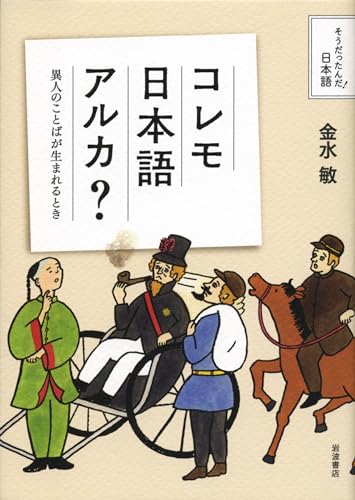
1 0 0 0 コレモ日本語アルカ? : 異人のことばが生まれるとき
1 0 0 0 IR 宋都開封の旧城と旧城空間について : 隋唐都城の皇城との比較史的研究
- 著者
- 久保田 和男
- 出版者
- 大阪市立大学大学院文学研究科都市文化研究センター
- 雑誌
- 都市文化研究 (ISSN:13483293)
- 巻号頁・発行日
- no.16, pp.79-91, 2014-03
1 0 0 0 古代チベット帝國の外交と「三国会盟」の成立
- 著者
- 岩尾 一史
- 出版者
- 東洋史研究会
- 雑誌
- 東洋史研究 (ISSN:03869059)
- 巻号頁・発行日
- vol.72, no.4, pp.748-716, 2014-03
- 著者
- 植田 喜兵成智
- 出版者
- 東洋文庫
- 雑誌
- 東洋学報 : 東洋文庫和文紀要 (ISSN:03869067)
- 巻号頁・発行日
- vol.96, no.2, pp.119-152, 2014-09
- 著者
- 吉本 智慧子
- 出版者
- 立命館大学
- 雑誌
- 立命館文學 (ISSN:02877015)
- 巻号頁・発行日
- vol.638, pp.128-105, 2014-07
- 著者
- 吉本 知慧子
- 出版者
- 立命館大学
- 雑誌
- 立命館文學 = The journal of cultural sciences (ISSN:02877015)
- 巻号頁・発行日
- no.638, pp.128-105, 2014-07
1 0 0 0 西夏文取引契約文書集(1)普渡寺關係取引契約文書について
- 著者
- 松澤 博
- 出版者
- 龍谷大学東洋史学研究会
- 雑誌
- 東洋史苑 (ISSN:03876403)
- 巻号頁・発行日
- no.82, pp.1-181, 2014-02
1 0 0 0 宋代に於ける『陰符經』の受容について
- 著者
- 山田 俊
- 出版者
- 日本道教学会
- 雑誌
- 東方宗教 (ISSN:04957180)
- 巻号頁・発行日
- no.123, pp.62-82, 2014-05
1 0 0 0 IR <論説>明清時代の錮婢にかかわる社会通念
- 著者
- 五味 知子
- 雑誌
- 東洋文化研究 (ISSN:13449850)
- 巻号頁・発行日
- vol.16, pp.1-29, 2014-03
众所周知,明清时期对女性贞节的要求极为严格,而要求守护贞节的对象一般是指担负家族传宗接代责任的女性。然而,清代中期甚至连婢女也被列入贞节表彰的对象。如果婢女身处主人家时,那么其忠诚及贞节的对象又是谁呢?明清时期,不让婢女婚配,使其终生服劳役的习俗称为"锢婢",这种现象是在平衡当地的男女比例、结婚需求、婢女身价等要素的过程中产生的。在地方官的著述及善书中,都强调应遏止锢婢,令婢婚配。但当主人染指婢女对自身家庭有利时,善书中并不一定视之为"恶"。尤其当婢女成为妾时,意味着可以提升自己的身份,是一种幸运。另一方面,担心婢女与终生服劳役的奴仆婚配后,婢女会永久固定在"贱民"身份的记载并未见诸史料。同时,婢女出嫁时的条件,究竟是正妻或是小妾好,管窥所见也未有相关记述。由此可见,关于锢婢的社会观念充满了矛盾,这正是贞节、身份与家庭之间剪不断理还乱关系的写照。
1 0 0 0 IR 明清時代の錮婢にかかわる社会通念
- 著者
- 五味 知子
- 出版者
- 学習院大学
- 雑誌
- 東洋文化研究 (ISSN:13449850)
- 巻号頁・発行日
- no.16, pp.1-29, 2014-03
众所周知,明清时期对女性贞节的要求极为严格,而要求守护贞节的对象一般是指担负家族传宗接代责任的女性。然而,清代中期甚至连婢女也被列入贞节表彰的对象。如果婢女身处主人家时,那么其忠诚及贞节的对象又是谁呢?明清时期,不让婢女婚配,使其终生服劳役的习俗称为"锢婢",这种现象是在平衡当地的男女比例、结婚需求、婢女身价等要素的过程中产生的。在地方官的著述及善书中,都强调应遏止锢婢,令婢婚配。但当主人染指婢女对自身家庭有利时,善书中并不一定视之为"恶"。尤其当婢女成为妾时,意味着可以提升自己的身份,是一种幸运。另一方面,担心婢女与终生服劳役的奴仆婚配后,婢女会永久固定在"贱民"身份的记载并未见诸史料。同时,婢女出嫁时的条件,究竟是正妻或是小妾好,管窥所见也未有相关记述。由此可见,关于锢婢的社会观念充满了矛盾,这正是贞节、身份与家庭之间剪不断理还乱关系的写照。
- 著者
- 仙石 知子
- 出版者
- 中国社会文化学会
- 雑誌
- 中国 : 社会と文化 (ISSN:09129308)
- 巻号頁・発行日
- no.29, pp.5-20, 2014-07
1 0 0 0 IR 朝鮮国漂着中国船の筆談記録にみる諸相
- 著者
- 松浦 章
- 出版者
- 関西大学東西学術研究所
- 雑誌
- 関西大学東西学術研究所紀要 (ISSN:02878151)
- 巻号頁・発行日
- no.47, pp.57-69, 2014-04
It was Chinese sailing ships that most extensively plied the waters of premodern East Asia, and such vessels were frequently shipwrecked on the shores of Joseon‑dynasty Korea, Tokugawa Japan, and the Ryukyu Kingdom. In many cases, the shipwrecked crews were able to converse with local rescuers only through the medium of writing, using the Chinese characters (kanji) commonly understood throughout the region. Records of many such written dialogues have been preserved in collections of historical documents from Joseon Korea and Tokugawa Japan. This paper explores the characteristic features observed in such dialogues, focusing primarily on records of written communications between the crews of shipwrecked Chinese sailing vessels and officials of Joseon Korea.