1 0 0 0 OA 名古屋市尚武会戦時後援会記録
- 出版者
- 名古屋市尚武会
- 巻号頁・発行日
- 1921
1 0 0 0 OA 中国で出版されている絵本を読む(清水篤教授ご退任記念号)
- 著者
- 矢野 日出子
- 出版者
- 神戸親和女子大学児童教育学会
- 雑誌
- 神戸親和女子大学児童教育学研究 = Studies in Childhood Education (ISSN:13420305)
- 巻号頁・発行日
- vol.36, pp.257-274, 2017-03-20
1 0 0 0 アーロン・T・ベック : 認知療法の成立と展開
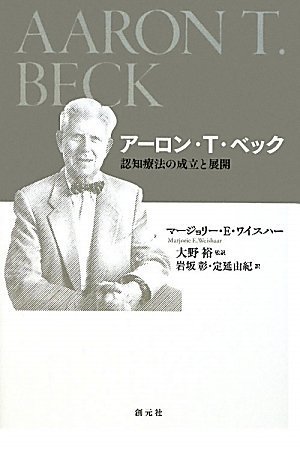
- 著者
- マージョリー・E・ワイスハー著 岩坂彰 定延由紀訳
- 出版者
- 創元社
- 巻号頁・発行日
- 2009
1 0 0 0 OA 雑草リスク情報-その3:豪雨災害と雑草管理
- 著者
- 伊藤 幹二
- 出版者
- 特定非営利活動法人 緑地雑草科学研究所
- 雑誌
- 草と緑 (ISSN:21858977)
- 巻号頁・発行日
- vol.12, pp.37-48, 2020 (Released:2021-01-31)
- 参考文献数
- 20
昨今目にする水害の現場には,例外なく散乱・滞積する土砂と雑草バイオマスごみが残されている.雑草と豪雨災害の一連の事象との関係について,因果関係をはっきりさせ問題点をしっかり把握・共有し,雑草管理の視点から何が提言できるのかが求められる.そこで,雑草が豪雨被害の発生要因にどのように関わっているのかを検証するために,雑草ウオッチャーによる情報収集を行った.回答総数152の53%が豪雨前に目にする雑草の繁茂状況に関するものであった.河床や堤防には必ずと言ってもよいほどに雑草の繁茂がみられ,川幅の2/3や3/4を雑草が占めている光景から.用水・排水・放水路の内側や両サイド,とくにグレーチングで守られた排水溝を埋め尽くす雑草など,それらの機能が大きく損なわれている様子がうかがわれた. 次いで回答総数の32%が豪雨後の雑草ごみに関わるものであった.ここでは掃流雑草木による橋桁崩壊や護岸工作物崩落の助長,雑草ごみによる排水・放水機能の阻害,土砂・雑草バイオマスごみ量と処理費用,雑草ごみの散乱と景観の悪化などが指摘された.この他鉄道,道路,太陽光発電施設では,斜面崩壊,土砂崩れなど斜面雑草が関わる被害が寄せられた.これらの雑草害は,河川管理,用水・排水路管理,斜面植生管理に関わることであるが,雑草問題は1)河川敷・道路敷・鉄道敷における雑草の異常繁茂,2)豪雨による土砂と雑草繁殖体の流出・拡散,3)雑草バイオマスの増加と雑草管理の欠如,4)雑草害の軽視による豪雨被害の助長,5)豪雨後の土砂・雑草ゴミの清掃に整理することができる.以上の結果から,今後,生活圏のインフラ維持の現場で豪雨災害と雑草害の負のスパイラル拡大を止めるには,雑草対策を優先して取り組む必要性が明らかになった.
1 0 0 0 OA 雑草リスク情報-その1:雑草による傷害
- 著者
- 伊藤 幹二
- 出版者
- 特定非営利活動法人 緑地雑草科学研究所
- 雑誌
- 草と緑 (ISSN:21858977)
- 巻号頁・発行日
- vol.9, pp.27-36, 2017 (Released:2018-02-15)
近年,雑草に起因する様々な社会・環境・経済的問題が頻発しています.そこでNPO法人緑地雑草科学研究所が中心になって,市民科学集団“雑草ウオッチャー”を立上げ,様々な問題を市民の目でウオッチしています.今回の報告は,生活圏において人々を傷つける雑草,いわゆる「傷害雑草」についてです.55件の報告内容は,傷害雑草・雑木は27種類,このうちトゲ(あるいは鉤毛)をもつ種は23種で,とくに多かったのは,ワルナスビの7件、アメリカオニアザミ,ノイバラの5件、メリケントキンソウの4件でした.全体として,分類群ではキク科,ナス科,バラ科,タデ科,ウリ科,ユリ科,ヒユ科,マメ科,イラクサ科,グミ科に,生活史では一年生草本,多年生草本,木本と多岐にわたっていましたが.挙げられたトゲ雑草の大半が近年分布を広げている外来種であることは注目すべき点です.傷害雑草の部位としては,茎が最も多く,果実,茎葉,葉,葉腋の順で,葉・茎・花・果実すべてが傷害部位であるのはアメリカオニアザミ1種でした.トゲ以外に負傷の原因になる部分は,鋭い葉縁,長く横走する蔓,硬い切断部,衣服付着果実,刈取り時の粉末(揮発性物質の吸引が原因か)が挙げられました.最もトゲの危険性(ケガの大きさ・痛さの程度)の高い種類は,アメリカオニアザミ,ニセアカシヤ,サルトリイバラ,ノイバラかと思われます.
1 0 0 0 OA 『撃剣叢談』再考
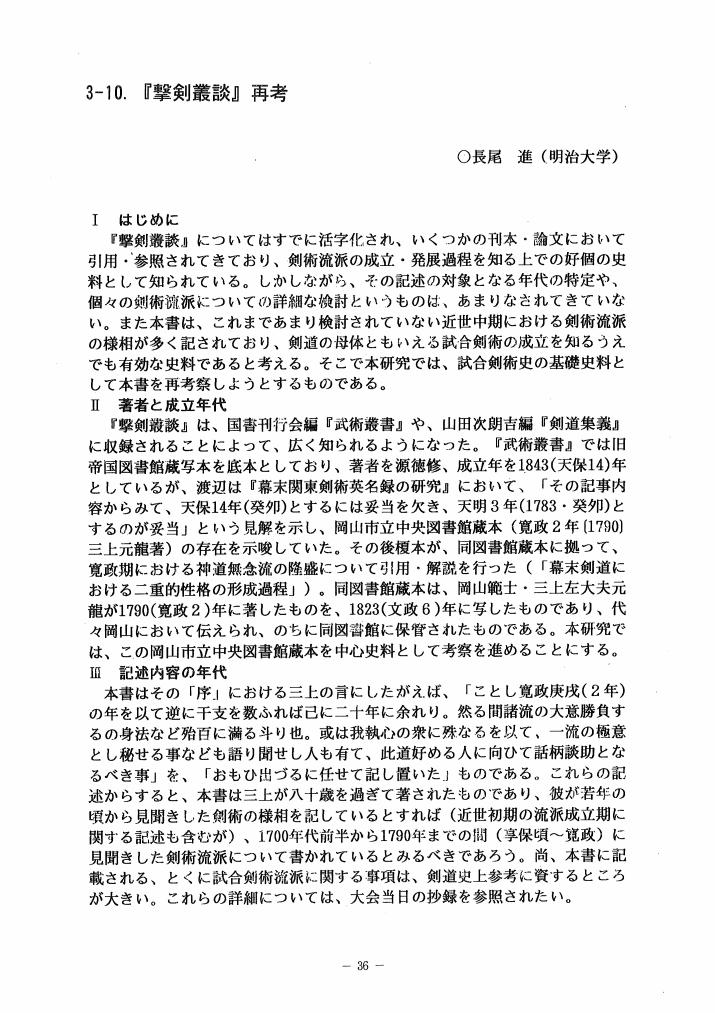
- 著者
- 長尾 進
- 出版者
- 日本武道学会
- 雑誌
- 武道学研究 (ISSN:02879700)
- 巻号頁・発行日
- vol.31, no.Supplement, pp.36, 1998 (Released:2012-11-27)
1 0 0 0 OA 「証拠に基づく政策立案」の課題と展望
- 著者
- 山本 清
- 出版者
- 国立大学法人 東京大学大学院教育学研究科 大学経営・政策コース
- 雑誌
- 大学経営政策研究 (ISSN:21859701)
- 巻号頁・発行日
- vol.8, pp.217-230, 2018 (Released:2022-04-28)
- 参考文献数
- 20
Evidence- Based Policymaking( EBPM )is currently being promoted by the central government of Japan. The proponents insist that public policy should be based on hard evidence, rather than episodic nor soft measures. The development of rational decision making in the public sector originates from the principles of scientific management, PPBS, and recently NPM. Some scholars criticize this series of approaches, which have long since emerged, been trialed, implemented and failed. In this paper, we adopt a balanced approach to the proponents and critics of EBPM, from a political, economic, and social rational perspective. We propose that the educational policy governing higher education should not only drive economic growth, but must also support higher education as a democratic, cultural, and social institution. After offering a brief presentation of the character and methods of EBPM, we review the practices and lessons learned from EBPM, in leading nations such as the United States and United Kingdom. Finally, future issues for EBPM in higher education, especially in Japan, are discussed.
- 著者
- 中村 浩子
- 出版者
- 日本比較教育学会
- 雑誌
- 比較教育学研究 (ISSN:09166785)
- 巻号頁・発行日
- vol.2016, no.52, pp.113-135, 2016 (Released:2020-08-15)
The ‘Tomorrow’s Schools’ reform in New Zealand since the late 1980’s has been known as a typical realisation of a new public management (NPM) model. How and why was the reform carried out in a manner that was extremely thorough and loyal to the NPM model, and what philosophical and political currents shaped the reform? This paper articulates five political currents that set the stage for the reform: democratic formulation by the Left, new institutional economics, managerialism, the New Right, and Tino Rangatiratanga. The paper also explores the political situation surrounding the Kura Kaupapa Māori that became state schools under the ‘Tomorrow’s Schools’ reform. It investigates how the Kura Kauappa Māori gained the status of state schools despite impediments. The political position evident in the Educational Development Conference of 1974 and ‘The Curriculum Review’ of 1984 have been termed liberal progressive, participatory democracy, or democratic populism. The Review was published under the Fourth Labour Government based on extensive public consultations. Its anti-racist, anti-sexist message emphasising the partnership of students, teachers, families, and the community was widely accepted by the Left camp and educationalists. ‘Government Management’, released in 1987 by the Treasury, reflected the new institutional economics that incorporated public choice, transaction cost, and agency theory. Although it valued the community involvement promoted by ‘The Review’, it argued for the partnership through the market order claiming that it would otherwise only promote the interests of the middle class or those of the institutions. The Picot Report, the blueprint for the reform, was the product of a compromise, as has been interpreted, between the Left and new institutional economics, both of which validated the partnership. However, the coming into power of the National Party in 1990 changed the balance. Managerialism, based on the belief that improved management resolves economic and social malaise, manifested itself in ‘Today’s Schools’ under the National government in 1990, led by the initiative of the Treasury and the State Services Commission. The report argued for clearer definitions that the Board of Trustees would take on the role of governance and the principal of management. The report, emphasising the managerial model rather than a cooperative decision-making one, marked the introduction of the NPM model constituted of new institutional economics and managerialism. The New Right thinking was apparent in ‘New Zealand Schools’, a report by Sexton, an educational advisor for the Thatcher government, who was entrusted by the Business Roundtable to write the report. The report sharpened the contentions of institutional economics and managerialism, contained arguments common to those by Friedman and Hayek, and confronted the leftist idea of democratic control by the citizens. Moreover, although ‘Government Management’ and ‘Today’s Schools’ both appreciated the Treaty of Waitangi and apprehended the state’s role in reviving the cultural heritage of the Māori, Sexton dismissed its importance. Equity interests in ‘Government Management’ and ‘Today’s Schools’ indicate the influence of Tino Rangatiratanga or the Māori self-determination movement at the time of the reform. Gaining impetus in the 1970s, total Māori immersion preschools, Kōhanga Reo, were created and soon attended by almost half the Māori preschool children in New Zealand. This was followed by the opening of Kura Kaupapa Māori, the total immersion schools, and the attainment of legal recognition under the Tomorrow’s Schools reform as state schools. Although the movement, as the movement leader reflects, took advantage of the change to gain the status of state schools, it can be considered that for the contender of institutional (View PDF for the rest of the abstract.)
1 0 0 0 OA 「弓射における弓手の働きに関する研究」

- 著者
- 森 俊男
- 出版者
- 日本武道学会
- 雑誌
- 武道学研究 (ISSN:02879700)
- 巻号頁・発行日
- vol.35, no.Supplement, pp.57, 2002 (Released:2012-11-27)
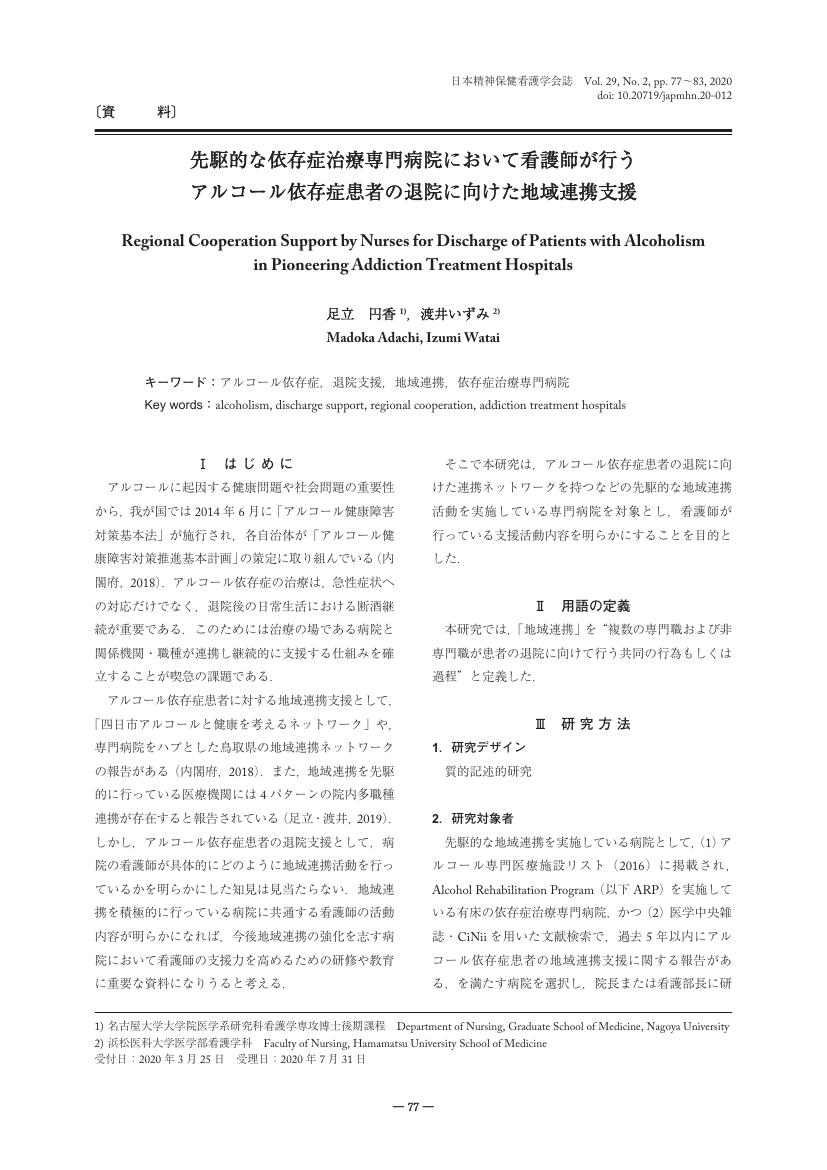
- 著者
- 足立 円香 渡井 いずみ
- 出版者
- 日本精神保健看護学会
- 雑誌
- 日本精神保健看護学会誌 (ISSN:09180621)
- 巻号頁・発行日
- vol.29, no.2, pp.77-83, 2020-11-30 (Released:2020-11-30)
- 参考文献数
- 12
1 0 0 0 OA Hospital Inspection - Maternity
- 巻号頁・発行日
- 1948
- 著者
- 西澤 弘
- 出版者
- 労働政策研究・研修機構
- 雑誌
- 日本労働研究雑誌 (ISSN:09163808)
- 巻号頁・発行日
- vol.56, no.4, pp.6-9, 2014-04
- 著者
- Eiji KONAKA
- 出版者
- The Institute of Electronics, Information and Communication Engineers
- 雑誌
- IEICE Transactions on Information and Systems (ISSN:09168532)
- 巻号頁・発行日
- vol.E102.D, no.6, pp.1145-1153, 2019-06-01 (Released:2019-06-01)
- 参考文献数
- 24
- 被引用文献数
- 1
This study tries to construct an accurate ranking method for five team ball games at the Olympic Games. First, the study uses a statistical rating method for team ball games. A single parameter, called a rating, shows the strength and skill of each team. We assume that the difference between the rating values explains the scoring ratio in a match based on a logistic regression model. The rating values are estimated from the scores of major international competitions that are held before the Rio Olympic Games. The predictions at the Rio Olympic Games demonstrate that the proposed method can more accurately predict the match results than the official world rankings or world ranking points. The proposed method enabled 262 correct predictions out of 370 matches, whereas using the official world rankings resulted in only 238 correct predictions. This result shows a significant difference between the two criteria.
1 0 0 0 OA 稲生永略歴・主な業績
- 雑誌
- 立教大学フランス文学
- 巻号頁・発行日
- vol.29, pp.41-44, 2000-03-25
1 0 0 0 OA ベゼクリク第九号窟寺銘文による誓願画の考察
- 著者
- 平野 真完
- 雑誌
- 美術研究 = The bijutsu kenkiu : the journal of art studies
- 巻号頁・発行日
- no.218, pp.27-44, 1962-03-30
A. von Le Coq's Chotscho, Berlin, 1913, contains 13 wall paintings of the so-called Praṇidhi Scenes (Tafel 17-29) from the cave temple No. 9, Bäzäklik (numbered by A, Grünwedel), near Turfan. Praạidhi Scenes are almost peculiar to Bäzäklik (Temples Nos. 2, 4, 9, 20, 25) and Idikutschari (Ruins α,β ). On the Praṇidhi Scenes of the cave temple No. 9 are scribed Sanskrit verses written in the “slanting type of Gupta Script” which is peculiar to the northern route of the East Turkestan. These verses are a clue to the interpretation of the Praạidhi Scene. Le Coq deciphered them first. H. Lüders pointed the similar verses in the Mahāvastu and the series of past Buddhas are akin to those of the Divyāvadāna. He supposed that the theme of Praṇidhi Scene based on the tradition of the Sarvāstivādins (Sitz. d. K. Preuss. Ak. d. Wiss. 1913. S. 864-884). E. Huber pointed the Sanskrit verses are parallel to those of the Chinese and Tibetan translations of the Bhaiṣajyavastu of the Vinaya of the Mūlasarvāstivādins (BEFEO. XIV, 1914). In Japan the studies of the Praṇidhi Scenes by Dr. Eiichi Matsumoto (Ton-koga-no ken-kyu 1937) and Mr. Nobuo Kumagai (The Bijutsu, Kenkyu Nos. 122, 126, 138, 156, 170, 178) are available. Refering to these achievements and the reports of Le Coq, A. Grünwedel and A. Stein, I want to fulfil in this paper (1) to transliterate (romanize) and put into Ja- panese the Sanskrit verses with reference to Chinese and Tibetan parallel verses, (2) to refer to the wall paintings and bas-reliefs of the same scenes,(3) to seek texts which the Praṇidhi Scenes based on, (4) to seek the sources of the Past Buddhas in the Praṇidhi Scene, (5) to think the theme of the Praṇidhi Scene. No. 4 (Le Coq: Chotscho, Tafel 20). The Buddha Kṣemaṃkara was honoured by a king (who was a Gotama Buddha in his former birth). Such stories are found in the Avadānaśataka 19 and its Chinese translation Siuan-tsipo-yuan-king (T 4, p. 214 b-c). No. 7. The Buddha Dipaṃkara was honoured by a young brāhmaṇa who bent himself under the feet of the Buddha to cover the muddy road with his long hair. According to the Buddhist traditions the young brāhmaṇa (Gotama Buddha in his former birth) had vowed to become buddha, and Dipaṃkara foretold that he would attain buddhahood in future. This theme is very famous, often inscribed or painted in Gandhāra and Central Asia. This story is found in Sseu-fen-liu (T 22, pp. 782 f.), Sieou-hing-penk’i-king (T 3, pp. 461 b f.), Kauo-k’iu-hien-tsaiyin-kouo-king (T 3, pp. 620 c f.), T’ai-tseu-joueiying-fen-k’i-king (T3, pp.472cf.), Lieou-tou-tsi-king(T 3, pp. 47 c f.), Fo-pen-hing-king (T 4, pp. 92 f.), Tseng-yi-a-han-king (Ekottarāgama) (T 2, pp. 579 b, 757 C, 768 c), Fo-pen-hing-tsi-king (T 3, pp. 665 b f.), Mahāvastu 1, pp. 1, 231-248, Divyāvdāna pp, 246-253, Buddhavamsa pp. 6-18, Jātaka (Nidānakathā) 1, pp. 2 ff., Ta-tsche-tou-louen (T 25, pp. 87 a, 180 b, 276 C, 316 b, 579 C, 631 a), Kao-seng-fa-hien-tch'ouam (T 51, p. 858 C), Ta-toang-siyu-ki (T. 51, p. 878c). No. 10. According to the inscription the young brāhmana Uttara, obeying his friend Nandipāla, left his home to follow the Buddha Kāśyapa. This story is found in Majjhima Nikāya II, pp. 45 ff., Saṃyutta Nikāya 1, pp. 35-36, 60, Jātaka (Nidānakathā) 1, p. 43, Mahāvastu 1, pp. 319–338, Tchong-a-han-king (Madhyamāgama) (T 1, pp. 499 a f.), Tsa-a-han-king (Saṃyuktāgama) (T 2, p. 159 b-c), Pia-yi-tsa-a-han-king (T 2, p. 422b-c), Ken-pen-chouo-yi-ts’ie-yeou-pou-p’i-nai-yeyao-che (T 24, p. 96 b), N. Dutt : Gilgit Manuscripts, vol. III. pt. 1, p. 217, Hing-k’i-hing-king (T 4, pp. 172c f.), Fo-wou-po-ti-tseu-tseu-chouo-pen-k’iking (T 4, p. 202a), Ta-tsche-tou-louen (T 25, pp. 261c, 340 c), Ken-pen-chouo-yi-ts'ie-yeou-pou-pi-naiye-ich'ou-kia-che (T 23, pp. 1029c f.). And Nos. 1,2,3,5, 6, 7, 8, 9, 10, 11, 13, 14, 15 have parallel verses to the Chinese and Tibetan translations of the Bhaiṣajyavastu of the Vinaya of the Mūlasarvāstivādins (Ken-pen-chouo-yi-ts'ieyeou-pou-p'i-nai-ye-yao-che vol. 15, T 24, pp. 73C75c, Ḥdul-ba-gshi (Sman-gyi gshi) (The Tibetan Tripitaka 41, pp. 222 b5–223c4) The inscriptions on the Praṇidhi Scene have the word “tṛtiyāsaṃkheya” =tṛtīyāsaṃkhyeya (-kalpa) (third immeasurable period) (No. 10). And according to these inscriptions Ratnaśikhin is the last Buddha in the first asaṃkhyeya-kalpa (No. 9), Dīpaṃkara in the second asaṃkhyeyakalpa (No. 7), and Kāśyapa is the last in the third asaṃkhyeya-kalpa (No. 10). Only the third is the same as the Vinaya-bhaiṣajyavastu (in verses) of the Mūlasarvāstivādins, while the first and the second are the same that A-p’i-ta-mo-tap’i-p'o-cha-louen vol. 178 (T 27, p. 892c) A-p’i-taomo-kiu-chö-luen (Abhidharmakoṣa) vol. 18 (T 29, p. 95 a) A-p’i-ta-mo chouen-tchang-li-louen (T 29, p. 591a) (which are the Abhidharmas of the Sarvāstivādins), and Ta-tche-tou-louen (T25, p. 87 a). And after all the last Buddhas in three asamkhyeya-kalpas are the same that Yeou-po-sökiai-king (T 24, p. 1039 a) reports. The Vinaya of the Mūlasarvāstivādins contains many of the Avadāna-stories, and these stories emphasize the karma-theory, that is, good deeds bring auspicious results, and bad deeds bring unfortunate results. Even Gotama Bubbha is under the law of karma, he achieved good deeds in his former births. Before the former Buddha he had vowed to become buddha and was foretold by the Buddha that he would attain buddhahood in future. The verses of the Praṇidhi Scenes have no word of “praṇidhāna” (vow to become buddha) and vyākarana (prediction of attaining buddhahood). But E. Senart's decipher of the inscriptions on the murals which Donner and Klementz brought from Singimaus reads that Gotama Buddha in his former birth worshipped the Buddha Kanakamuni, and gained vyākarana (prediction) from the Buddha (JA. XV. 1900, pp. 353 f.). This is, I think, to be refered to in the interpretation of the Pranidhi Scene. While the Praņidhi Scenes in their appearance demonstrate the worshipping and waiting on the Buddha, they suggest, as is seen in No. 7, the thought of praṇidhāna and vyākarana.
1 0 0 0 OA 絵画の形状が印象に及ぼす影響
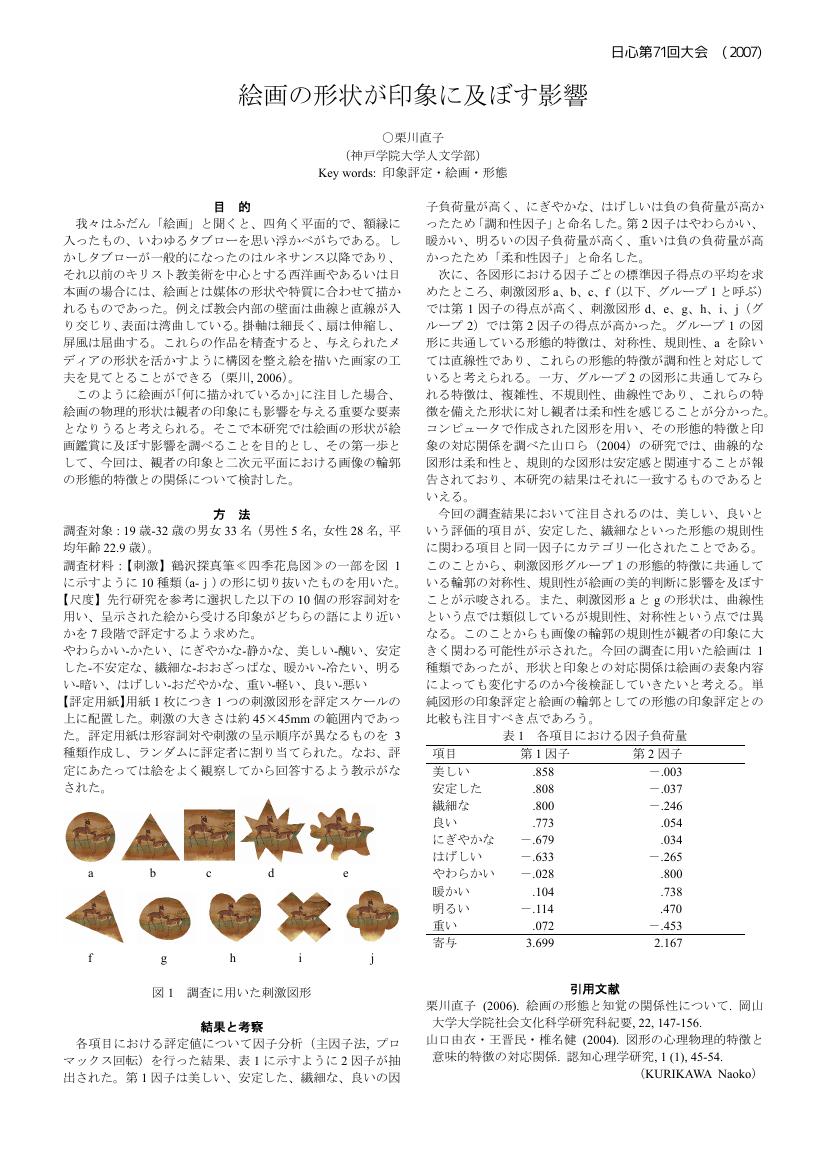
- 著者
- 栗川 直子
- 出版者
- 公益社団法人 日本心理学会
- 雑誌
- 日本心理学会大会発表論文集 日本心理学会第71回大会 (ISSN:24337609)
- 巻号頁・発行日
- pp.2AM080, 2007-09-18 (Released:2018-08-15)
1 0 0 0 写真集明治大正昭和藤枝 : ふるさとの想い出75
- 著者
- 八木洋行, 野本寛一 共編
- 出版者
- 国書刊行会
- 巻号頁・発行日
- 1980
1 0 0 0 OA そばの栄養価に関する研究 (第6報) 白米粉および小麦粉に対するそば粉の補足効果 (2)
- 著者
- 古沢 康雄 原田 知枝
- 出版者
- 公益社団法人 日本栄養・食糧学会
- 雑誌
- 栄養と食糧 (ISSN:18838863)
- 巻号頁・発行日
- vol.13, no.2, pp.71-74, 1960-07-25 (Released:2010-11-29)
- 参考文献数
- 2
小麦粉に対して白米粉を混合しさらにそば粉を添加すると次第にその蛋白価が向上して来る。各種の組合わせ飼料を作リラッテによる成長試験を試み栄養価を比較検討したところ, 飼料の蛋白価の推移にほぼ一致するような傾向を示したが, 本実験においては白米/小麦/そばの比が50/25/25の場合に最も栄養価が高くまた蛋白質効率も高い結果を得た。その原因は主として, 白米粉および小麦粉の配合だけではなお不足しているトリプトファン, リジンあるいは含硫アミノ酸などの必須アミノ酸がそば粉の添加によって補足せられたためであると考えられる。