1 0 0 0 OA 明治期における鰊製品の海外展開 (研究ノート)
- 著者
- 服部 亜由未
- 出版者
- 愛知県立大学大学院国際文化研究科
- 雑誌
- 愛知県立大学大学院国際文化研究科論集(日本文化編) = Bulletin of the Graduate School of International Cultural Studies, Aichi Prefectural University (Japanese Culture) (ISSN:18847536)
- 巻号頁・発行日
- pp.(84)-(64), 2018-03-12
1 0 0 0 OA 大正・昭和初期の鰊漁業の衰退にともなう漁家経営の変容―北海道高島郡南家を事例に―
- 著者
- 服部 亜由未
- 出版者
- 一般社団法人 人文地理学会
- 雑誌
- 人文地理 (ISSN:00187216)
- 巻号頁・発行日
- vol.63, no.4, pp.303-323, 2011 (Released:2018-01-23)
- 参考文献数
- 81
- 被引用文献数
- 2
In order to scrutinize the fishery management of Hokkaido in the Taisho and early Showa eras when there were poor herring harvests, this paper focuses on the actions of herring fishery people with special reference to the records of the Minami family.The volume of the herring catch was changing, but the timing of change in the herring harvests differed by region. The herring fishery in Takashima changed dramatically during the Taisho and early Showa eras.Many of the herring fishery laborers were migrant workers. They did not work in the same fishery every year, but moved to other fisheries which gave them better conditions. The maximum concern in the fishery management, therefore, was whether a sufficient supply of very good migrant workers could be secured.How did the Minami fishery procure manpower?Employing workers was generally entrusted to the leader of herring fishermen every year. He called together workers from around his home. However, even as the poor herring catches continued, it was hard to attract workers, and so the managers themselves also came to try to employ fishery workers. The start of this practice corresponded to the year when the entire Minami fishery ran a deficit. From that time on, they went on business trips to Akita Prefecture during the two weeks after the New Year to solicit laborers.How did fishery managers deal with persistent poor catches?First, the location of the herring fishery could be shifted. If it were possible, the Minami fishery could have expanded the fishery into a richer region, but this was impossible. Therefore, it bought raw herring in Sakhalin where there was still a big catch and processed them in Takashima. The system of herring fishery changed from fishing in Takashima to purchasing raw herring from Sakhalin. Second, the Minami fishery tried to make up for the loss of the herring fishery by operating various other fisheries. Not all herring fishery losses could be compensated through this approach, however, so the Minami still had to rely on herring fishing in the following year. Third, fishery managers supplemented their fishing income by operating side businesses. In the case of the Minami family, the management of a public bath and the leasing of houses, lots, and fishery places were important and helped mitigate the various challenges of operating the fishery. It was steady income and made up for the deficits in the fishery.
1 0 0 0 株価の残差リターンに注目した深層学習ポートフォリオ最適化
1 0 0 0 OA 三陸・常磐沿岸水域におけるオキアミ漁業について
1 0 0 0 OA 日本酒 (その2)

- 著者
- 二瓶 孝夫
- 出版者
- 公益財団法人 日本醸造協会
- 雑誌
- 日本釀造協會雜誌 (ISSN:0369416X)
- 巻号頁・発行日
- vol.73, no.6, pp.446-452, 1978-06-15 (Released:2011-11-04)
- 参考文献数
- 21
1 0 0 0 OA 113 酵母による食品廃油から糖脂質への生物転換
- 著者
- 加賀城,直哉
- 出版者
- 日本生物工学会
- 雑誌
- 日本生物工学会大会講演要旨集
- 巻号頁・発行日
- vol.平成13年度, 2001-08-24
- 著者
- 齋藤 恵美 サイトウ メグミ Megumi Saito
- 雑誌
- 立教ビジネスデザイン研究
- 巻号頁・発行日
- vol.16, pp.45-59, 2019
1 0 0 0 OA 高分子チャンピオンデータ
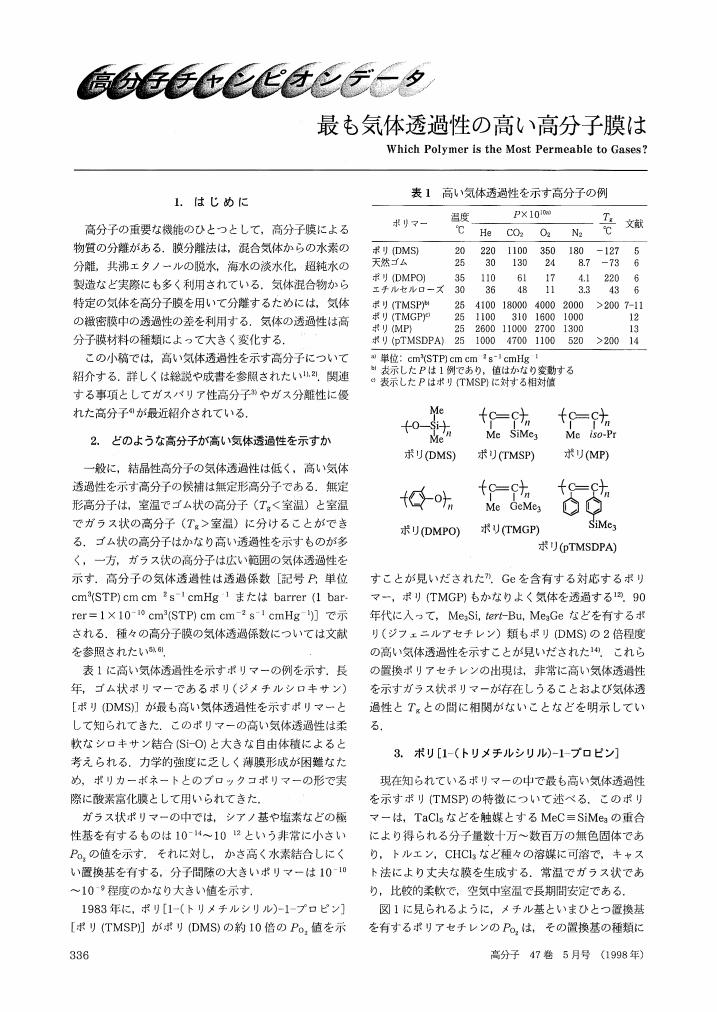
- 著者
- 増田 俊夫
- 出版者
- 公益社団法人 高分子学会
- 雑誌
- 高分子 (ISSN:04541138)
- 巻号頁・発行日
- vol.47, no.5, pp.336-337, 1998-05-01 (Released:2011-10-14)
- 参考文献数
- 16
- 被引用文献数
- 2 2
1 0 0 0 OA 黒毛和種子牛における痙攣性不全麻痺の1例
- 著者
- 三浦 萌 福田 稔彦 植木 淳史 池ヶ谷 あすか 池田 亜耶 阿南 智顕 竹鼻 一也 山口 英一郎 金 檀一 佐藤 繁 山岸 則夫
- 出版者
- 日本家畜臨床学会 ・ 大動物臨床研究会
- 雑誌
- 日本家畜臨床学会誌 (ISSN:13468464)
- 巻号頁・発行日
- vol.32, no.1, pp.8-11, 2009-04-30 (Released:2013-05-16)
- 参考文献数
- 9
- 被引用文献数
- 2 2
4ヵ月齢の黒毛和種牛が、2ヵ月齢時より発症した左後肢の跛行を主訴に来院した。症例は患肢を後方に過伸展し、蹄を着地せずに振り子状に動かす特徴的な歩様を呈していたが、疼痛反応はなく、X線所見においても異常は見られなかった。以上の所見から痙攣性不全麻痺を疑い、脛骨神経切除術を行ったところ、速やかに症状の改善が見られ、その後再発もなく治癒に至った。
1 0 0 0 感情労働と自己:看護過程における感情労働を通して
- 著者
- 崎山 治男
- 出版者
- 関東社会学会
- 雑誌
- 年報社会学論集 (ISSN:09194363)
- 巻号頁・発行日
- vol.1999, no.12, pp.199-210, 1999
This paper aims to analyze to effects of emotional labour on self-identity in the caring process. In this process, nurses are expected to identify and meet patients' emotional needs. To do so, nurses must manage patients' emotions and establish rapport with patients by paying attention to their own emotions and patients' emotional expressions. Nurses are willing to make rapport with their patients and it is their duty to do so; however, excessive rapport may become an obstacle in their efforts to care for their patients. This paper focuses on how nurses suffer from feelings of ambivalence as double standards of warm feelings and strict rules are imposed on them in the caring process.
1 0 0 0 OA 水田転換に伴う土壌の理化学性の変化

- 著者
- 諸遊 英行
- 出版者
- 一般社団法人 日本土壌肥料学会
- 雑誌
- 日本土壌肥料学雑誌 (ISSN:00290610)
- 巻号頁・発行日
- vol.54, no.5, pp.434-441, 1983-10-05 (Released:2017-06-28)
- 被引用文献数
- 4
- 著者
- 嶽本 新奈
- 出版者
- 教育科学研究会 ; 1951-
- 雑誌
- 教育 (ISSN:03869938)
- 巻号頁・発行日
- no.866, pp.73-80, 2018-03
1 0 0 0 IR 「からゆき」という歴史事象創出の背景--「性的自立性」の多様性
- 著者
- 嶽本 新奈
- 出版者
- 一橋大学大学院言語社会研究科
- 雑誌
- 言語社会
- 巻号頁・発行日
- no.2, pp.374-390, 2008-03
- 著者
- 嶽本 新奈
- 出版者
- 東京歴史科学研究会
- 雑誌
- 人民の歴史学 : 東京歴史科学研究会機関誌 (ISSN:03857875)
- 巻号頁・発行日
- no.209, pp.39-44, 2016-09
1 0 0 0 OA 東欧リトアニアのスタートアップ・エコシステム
- 著者
- 簗田 優 田路 則子
- 出版者
- 特定非営利活動法人 グローバルビジネスリサーチセンター
- 雑誌
- 赤門マネジメント・レビュー (ISSN:13485504)
- 巻号頁・発行日
- pp.0200201a, (Released:2020-03-18)
- 参考文献数
- 6
東欧バルト三国のひとつリトアニアでは、若者によるスタートアップの設立が活発である。特にIT関連スタートアップの起業が活発で、都市部のコ・ワーキングスペースや大学内に設けられた起業スペースなどは若い企業家の活気が溢れている。このような活況は産学官が連携したスタートアップ・エコシステムに支えられている。また、近年では外国人起業家や外国人投資家も増加し、スタートアップ・エコシステムはグローバル化しつつある。加えて、大都市の中心的大学では起業家教育が行われており、スキルアップを目指す現役ビジネスマンに混ざって多くの学生がビジネス・スキルを学んでいる。このようなリトアニアのスタートアップ・エコシステムは、同じバルト三国のエストニアや北欧のスウェーデンを参考としたものであるが、大学内インキュベーション施設や起業家教育の取組みには目を見張るものがあり、日本の産学官の各主体が参考にできることも多い。また、起業家やスタートアップ・エコシステムの各主体がグローバル化している点も、日本は参考にできるだろう。そこで本稿では、リトアニアのスタートアップ・エコシステムと、代表的なスタートアップ企業について紹介し、日本が参考にすべき点についても明らかにしたい。
1 0 0 0 OA 実践の設計による制度ロジックと実践との緩やかな結合
- 著者
- 張 益民
- 出版者
- 特定非営利活動法人 グローバルビジネスリサーチセンター
- 雑誌
- 赤門マネジメント・レビュー (ISSN:13485504)
- 巻号頁・発行日
- pp.0191119a, (Released:2020-04-11)
- 参考文献数
- 47
異なるイデオロギーと価値観はどのように特定の実践の中に共存し、コンフリクトし、相互補完しているか。この問題に対して、本研究は制度ロジックと実践という理論的フレームワークに基づいて探求する。本研究は制度ロジックと実践との関係に関する異なる理論的想定を融合させることで、実践に付与された意味を解釈するに当たって、実践の設計に関わる制度ロジックの役割を強調する。国と信用金庫それぞれが信用補完制度に付与した意味を定量分析することを通じて、本研究は実践の設計に関わる制度ロジックと実践の取り入れに関わる制度ロジックが実践に付与した異なる意味が同じ基準で測れないが、実践の設計を通じて前者の制度ロジックが後者の制度ロジックに制約を加えていることを主張する。本研究は歴史的と広い文化的コンテキストにおける異なるタイプの制度ロジックを同時に考慮に入れるフレームワークを構築した。
1 0 0 0 OA 『韓非子』における「道理」
- 著者
- 倉澤 幸久 Yukihisa KURASAWA
- 雑誌
- 桜美林論考. 人文研究 = The journal of J. F. Oberlin University. Studies in humanities (ISSN:21850690)
- 巻号頁・発行日
- vol.2, pp.1-16, 2011-03-01
1 0 0 0 OA 大学生のSNS における対人ストレス経験 : 社会的ネットワークとの関連
- 著者
- 佐藤 広英 矢島 玲
- 出版者
- 信州大学人文学部
- 雑誌
- 信州大学人文科学論集
- 巻号頁・発行日
- vol.4, pp.53-63, 2017-03-15